Meta's End-to-End AI Creative Suite: What Ads Manager Can Now Do
Meta's new brand-aware AI creative system generates, tests, and iterates ads from your existing brand assets, and the less you understand the mechanism, the more budget you'll hand to a black box.
 Meta
MetaKey takeaways
- Brand-aware generation pulls from your existing ads and posts to produce on-brand creative, not generic AI output, but only if your account has enough quality historical material to train against.
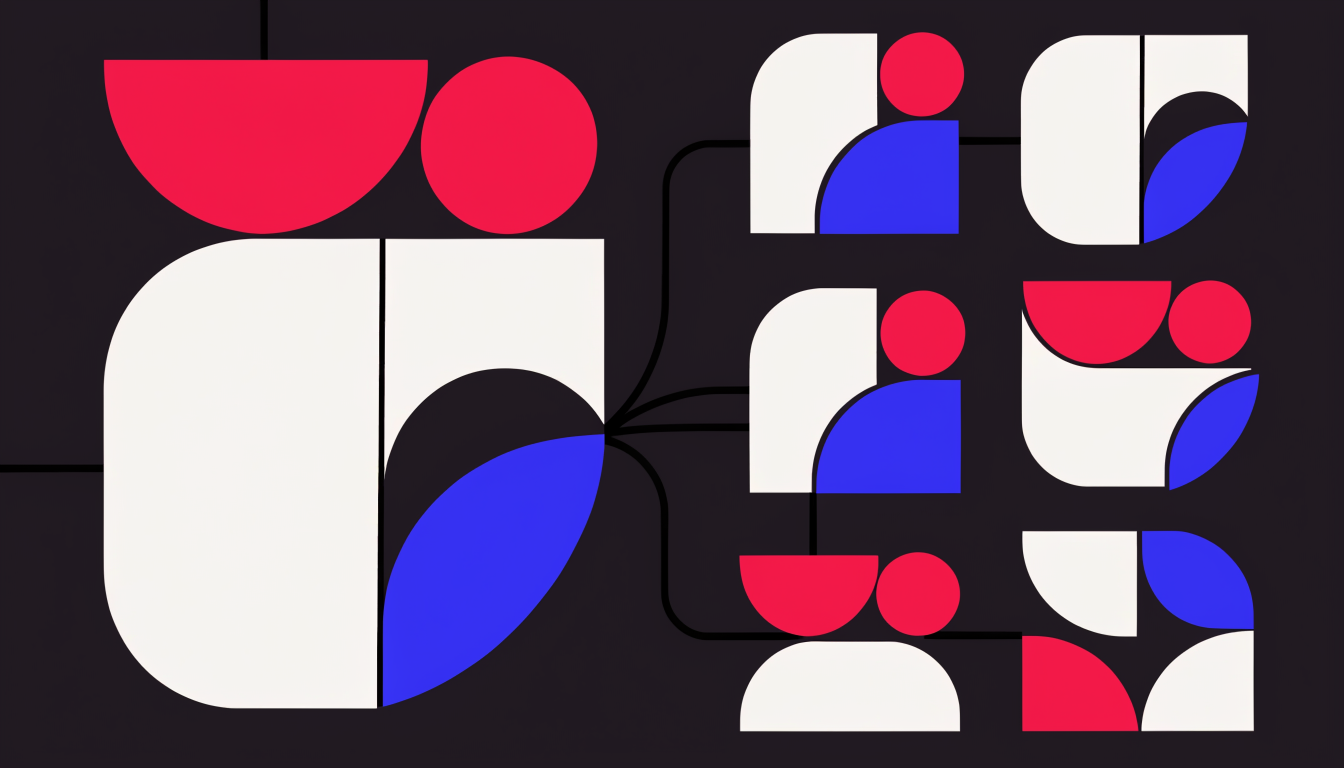
- The new experimentation layer closes the learn-then-iterate loop inside Ads Manager: Meta identifies what's working, generates variations from those winners, and tests them systematically without you leaving the platform.
- Advanced text generation now outputs more headline and caption variants with broader language translation, which matters most for multi-market advertisers running localized copy at scale.
- The Creator Marketing Hub merger (5M+ Instagram creators, Facebook creators added) is not live yet, but when it lands it will change how partnership ads are sourced and trafficked, start auditing your influencer workflow now.
- The more Meta's AI controls creative decisions, the harder it is to know why a specific ad won. Feed the system clean, brand-rich inputs or it will optimize toward its defaults, not yours.
What changed
Meta announced a bundle of AI creative features at Cannes Lions (reported June 23, 2026): an end-to-end creative solution that generates ads aligned to a brand's existing style and tone, an enhanced experimentation toolbox that learns from winning ads and generates tested variations, expanded text generation with more headline/caption options and wider language translation, and a streamlined creative-approval flow inside Ads Manager. Separately, Meta is merging Creator Marketplace and Partnership Ads Hub into a single Creator Marketing Hub covering 5M+ Instagram creators and adding Facebook creators, with that product launching later in 2026. Rollout of the AI creative features is phased across accounts through 2026.
What to test
["Brand-aware generation vs. your control creative: run the AI-generated variants against your current best performers in a structured A/B test, watching for CPA parity or better at 95% statistical confidence before shifting budget to AI-generated assets.", "Experimentation toolbox on a mid-funnel campaign: let Meta's learn-then-iterate cycle run for two full learning phases (~50 optimization events each), then compare the CPA trajectory of AI-iterated variants against manually produced variants to see if the system compounds gains faster than your team does.", "Expanded text generation for a multilingual market: replace manually translated headlines with Meta's new output in two to three languages and track CTR and conversion rate per language variant against your human-translated baseline within 14 days.", "Creator Marketing Hub (once live): source one influencer partnership entirely through the new unified hub and compare campaign setup time and partnership ad CTR against your current Creator Marketplace workflow to establish a new operational baseline."]
Who it affects: Mid-to-large Meta advertisers running creative testing at volume, multi-market brands needing localized copy, and any account currently using Creator Marketplace or Partnership Ads Hub for influencer campaigns.
What changed
Meta announced a significant expansion of AI creative tooling inside Ads Manager, timed to Cannes Lions and reported June 23, 2026. The centerpiece is brand-aware creative generation: instead of producing generic AI ads, the system reads your existing ads and brand posts to produce output that matches your established style and tone. Alongside that, Meta added an enhanced experimentation layer that identifies your current winners, generates variations from them, and runs those variations through systematic tests, all within Ads Manager. Advanced text generation now surfaces more headline and caption options and extends translation to a wider set of languages. A new approval and feedback flow lets you review AI modifications before anything goes live.
The Creator Marketplace and Partnership Ads Hub are also being merged into a single Creator Marketing Hub, covering 5M+ Instagram creators with Facebook creators added. That product hasn't launched yet; it was announced as coming later in 2026.
Availability is phased. Not every account has every feature today, and rollout continues through the year.
Who it affects
If you're running creative testing at any real volume on Meta, this touches your workflow directly. The brand-aware generation and experimentation tools matter most for accounts that currently produce a lot of manual variants, spending team time on creative iteration that Meta is now trying to absorb. Multi-market advertisers will feel the text generation expansion most acutely: broader language translation and more copy variants mean localization at scale without proportional headcount.
The Creator Marketing Hub affects anyone using Creator Marketplace or Partnership Ads Hub today. Even though it isn't live yet, the operational consolidation will change how you find creators, negotiate terms, and traffic partnership ads.
Why it matters
Meta's direction has been consistent for two years: give us your goal and budget, we'll handle the rest. This bundle moves that further down the funnel into creative itself. That shift has a real mechanism behind it. Brand-aware generation means Meta's AI is now trained not just on broad performance signals across all advertisers, but on your specific historical creative, your copy patterns, your visual language. That's a meaningful change from generic AI output. The system has more signal to work with, so the floor on AI creative quality should rise.
The experimentation layer closing the loop is the more consequential piece. Previously, a buyer would run tests, pull winners, brief a designer, wait for new assets, and re-test. Meta is now proposing to compress that cycle inside Ads Manager. If the system actually compounds learnings across iterations, it could reduce the time-to-winner on creative cycles by a meaningful margin. If it doesn't, you've ceded control over creative decisions to a process you can't fully inspect.
That's the real risk. The more Meta's AI controls creative generation and testing, the harder it becomes to understand why a specific ad won. Attribution becomes murkier at the creative level, not just the channel level. If the AI is iterating on your brand assets but producing subtle drift, you may not catch it until brand recall data or customer comments signal the problem.
The play
-
Audit your historical creative before the system trains on it. Brand-aware generation is only as good as what it reads. Pull your top 20 performing ads by conversion volume and review them for brand consistency. If your historical feed is cluttered with off-brand tests or obsolete promotions, flag and suppress those assets before the AI ingests them. Metric to watch: creative consistency score in any brand-tracking tool you run; baseline it now.
-
Run brand-aware AI variants against your current control in a clean A/B test. Don't blend them into a broad campaign and let Advantage+ pick. You need a legible signal on whether AI-generated creative actually performs at parity or better than manually produced work for your specific brand. Target CPA parity at 95% confidence, minimum 50 conversion events per cell.
-
Use the experimentation toolbox on one campaign with a well-defined winner. Pick a campaign where you already know your best performer, let Meta's learn-then-iterate cycle run for two full learning phases (roughly 50 optimization events each phase), and track whether CPA trends down across iterations. If it does, you have evidence the compounding mechanism works for your account. If CPA flatlines or rises, the system isn't finding signal your team isn't already finding manually.
-
Test multilingual text generation on two to three markets. Replace human-translated headlines with Meta's expanded output, hold the creative and audience constant, and measure CTR and CVR (conversion rate) per language against your translated baseline over 14 days. The bar is matching human translation quality at a fraction of the turnaround time.
-
Map your current Creator Marketplace and Partnership Ads Hub workflow before the merge. Document which creator relationships, active campaigns, and approval flows live where. When Creator Marketing Hub launches, you don't want to discover mid-campaign that a workflow broke in the consolidation.
Watch-outs
The approval flow is your last line of defense. Meta's streamlined review UI makes it easier to approve AI modifications quickly, which is also a reason to slow down and actually look. AI creative drift (gradual departure from brand voice across iterations) won't trigger an alert; you'll see it when a customer notices.
Multi-language text generation is promising but not a substitute for native review. Run the output past a native speaker before scaling, especially in markets where brand tone is culturally loaded.
On the experimentation toolbox: Meta's system optimizes for the objective you set. If you're optimizing for purchases, it will iterate toward purchase conversion, not toward brand-building metrics or long-term customer quality. Make sure the optimization event reflects what you actually want, not just what's easiest to measure.
Finally, phased rollout means your account may not have access to everything described here yet. Check Ads Manager's creative tools section and the Experiments tab before building a workflow around features that haven't reached you.
The WhyItWon angle
Every new creative surface Meta adds (brand-aware generation, AI-iterated variants, partnership ads through a unified hub) expands the space of ads your brand could run. That's useful, and it's also the problem: more creative candidates means more unknowns about which one will actually win before you spend against it. WhyItWon reads your existing ads, your competitors' ads, and what's resonating in customer comments and trending formats, then scores new creative concepts against what's actually worked for your account. When Meta's AI is generating variants faster than your team can evaluate them, having a scoring layer that tells you which ones are worth testing first is how you stay in front of the black box instead of behind it.
More Meta updates